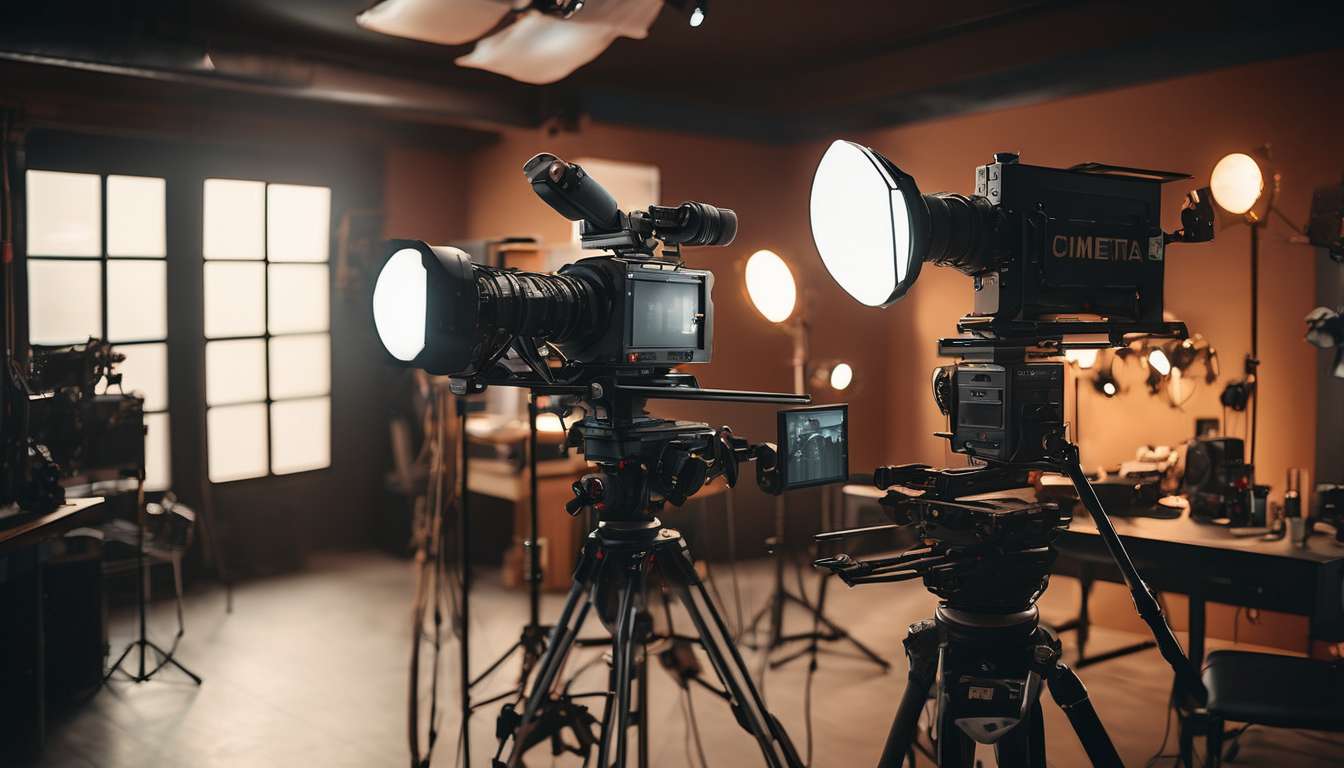
Cameras warmed under studio lights as we watched a veteran director gently adjust a performer’s posture, the atmosphere more like an indie film set than the stereotype we’d expected.
We remember when adult productions were rushed, corners cut to meet demand; now crews take time for rehearsals, sound checks, and lighting that flatters, not just exposes.
Producers now insist on written consent, health protocols, and professional makeup artists.
On modern sets, wardrobe, shot lists, and cinematography are treated with the same care as mainstream media.
Editors collaborate closely with directors to craft narratives, not just sequences, while technicians invest in higher-resolution cameras and immersive audio.
We feel the shift in how performers are spoken to and represented, and we recognize the audience’s evolving expectations.
Together, we explore how rising production standards are reshaping an industry once defined by speed into one increasingly guided by craft and care.
Evolving Set Etiquette
We prioritize clear communication, consent, and professional boundaries on every shoot.
We set expectations together before cameras roll, so everyone knows their role and limits. This shared approach strengthens trust and belonging.
We establish easy check-ins and consent protocols, reinforcing performer safety as nonnegotiable rather than optional.
We keep conversations direct and respectful, documenting agreements and revisiting them when scenes change.
We maintain a calm, organized environment where people can speak up without fear. That culture protects wellbeing and performance quality.
We coordinate with lighting and camera teams to align artistic intent and comfort, integrating cinematic lighting plans that respect performers’ needs for visibility and privacy.
We limit on-set personnel to essential crew, and provide clear routes for raising concerns.
We supply necessary breaks and amenities, supporting physical comfort and focus.
By standardizing these practices, we create predictable, inclusive sets that value creative excellence and human dignity equally. As a result, every contributor feels seen, heard, and safe.
Elevated Technical Gear
We prioritize investing in high-quality cameras, audio systems, and monitoring tools that let us capture clear visuals and sound without compromising comfort or workflow.
We choose compact mirrorless bodies, fast lenses, and reliable recorders so every shot reads cleanly and we can move quickly between setups.
Our team trains together on set etiquette to keep the environment respectful and efficient. Shared expectations help everyone feel included and focused.
We pair modular rigs with soft, cinematic lighting to shape mood without overwhelming performers or crew.
Sound is equally deliberate:
- Dedicated lavaliers, shotgun mics, and reliable recorders.
- Real-time monitors to address issues immediately, reducing reshoots and stress.
Gear choices reflect our commitment to performer safety, minimizing cumbersome setups and trip hazards while allowing quick adjustments.
We maintain calibrated monitors and consistent color workflows so editors inherit polished footage.
By standardizing equipment and procedures, we build trust, speed, and a creative atmosphere where crew and performers belong and collaborate toward superior results.
Performer Safety Protocols
We prioritize clear, enforceable safety protocols that protect performers’ physical and emotional well‑being on every shoot.
We create a culture where everyone feels welcome to speak up, and we formalize that trust through written checklists, pre‑scene briefings, and accessible consent reminders.
Our set etiquette is concise and consistent:
- No filming without confirmed consent.
- Respect personal boundaries.
- Immediate pauses if anyone expresses discomfort.
We schedule regular breaks, provide on‑site health resources, and ensure crisis pathways are known to all crew and performers.
We train crew in de‑escalation, confidentiality, and trauma‑informed communication so responses are calm and predictable.
Performer safety also includes:
- Infection control.
- Vetted partners.
- Clear procedures for negotiating limits and aftercare.
We integrate safety into production planning rather than treating it as an afterthought, and we invite performers to contribute to protocol updates.
By keeping rules visible, practiced, and enforced, we build a community where people belong, create confidently, and trust that their welfare comes first.
Cinematic Lighting Techniques
We focus on lighting strategies that shape mood, direct attention, and enhance skin tones while maintaining safety and comfort on set.
Cinematic lighting approach:
- Soft key lights, practicals, and controlled backlight to flatter skin and define form.
- Create atmosphere without overpowering performers.
- Use diffusion and directional control to soften highlights and preserve detail.
Set etiquette and communication:
- Communicate changes clearly and promptly.
- Limit adjustments during takes to avoid disrupting performers.
- Brief talent on lighting positions and eye-lines before rehearsals and takes.
Safety and performer comfort:
- Avoid placing hot fixtures near skin; prefer LED and low-heat sources when possible.
- Secure stands and grip equipment; keep pathways clear.
- Label and tape down cables; use gaffer to manage trip hazards.
- Use diffusion to reduce heat and glare on talent.
Coordination and accountability:
- Assign a lighting liaison to coordinate with performers and production staff.
- Test setups with performers present to verify comfort, eye-lines, and interaction with makeup/wardrobe.
- Consider camera settings, makeup, and wardrobe when choosing color temperature and contrast.
Outcome:
- A collaborative approach to cinematic lighting that strengthens trust, fosters inclusion, and raises production standards while keeping safety and dignity front and center.
Narrative-Driven Editing
We shape edits to serve story and emotion.
We cut rhythm, reaction, and pacing so every shot advances character, consent, and narrative clarity. We sequence takes to honor set etiquette, preserving agreed-upon boundaries and signals so viewers feel the integrity of scenes. We favor cuts that respect performer safety, keeping body language and eye contact intact to maintain trust and authenticity.
We treat footage like chapters.
We use pacing and reaction shots to reveal motivation rather than relying on gratuitous coverage. We match audio bridges and ambient sound to cinematic lighting choices so visual mood and editorial rhythm align, creating cohesion across scenes. We collaboratively review rough cuts with performers and crew, inviting feedback and honoring revisions that improve clarity and comfort.
We maintain clear metadata and versioning.
We adopt consistent labeling, metadata, and versioning so everyone on set feels included and can trace editorial decisions. By centering narrative intent, consent, and technical craft, we deliver work that feels professional, respectful, and emotionally resonant for both creators and audiences.
Professional Wardrobe Practices
Clear wardrobe guidelines and fittings prioritize comfort, consent, and continuity while enabling each performer to feel confident and protected on camera.
Standardized protocols for sizing, fabric choices, and replacement garments ensure everyone knows what to expect and can belong to a consistent, respectful environment.
Set etiquette embedded in wardrobe procedures covers modesty garments, designated dressing areas, and timed fittings that reduce stress and preserve dignity.
Coordination with lighting and camera plans makes garments behave predictably under lights and avoids surprises that could undermine a take or a performer’s trust.
Training for wardrobe staff in basic performer safety and respectful interactions ensures they understand boundaries and can respond appropriately when adjustments are needed.
Inventory, continuity documentation, and clear labeling of costumes and backups streamline changes and minimize delays.
Treating wardrobe as a pillar of safety and professionalism rather than an afterthought fosters a collaborative culture where performers, crew, and creatives feel secure, respected, and connected to the work we produce.
On-Set Communication Standards
On-set communication protocols
We establish clear, consistent on‑set communication protocols so everyone knows how to speak up, who to contact, and how decisions are announced during a shoot.
Set etiquette (explicit from day one)
- We make set etiquette explicit from day one: arrival times, headphone policies, voice levels, and when to pause for questions.
- Use plain language, callouts, and a visible chain of command so confusion doesn’t interrupt workflow or performer safety.
Emergency and technical signals
- We agree on signals for immediate stops, medical needs, or technical problems with cinematic lighting so responses are fast and unambiguous.
Briefings and consent
- We hold briefings before each scene where roles, boundaries, and consent are reaffirmed.
- We encourage quieter team members to voice concerns.
Communication leadership and documentation
- We rotate communication leads to build trust and belonging.
- We document decisions so everyone’s on the same page.
Debrief and continuous improvement
- We debrief after shoots to refine protocols, celebrate good practices, and address issues.
By prioritizing respectful, consistent communication, we create an inclusive environment where creativity and safety coexist.
Audience Expectation Shift
As audience tastes evolve, we track shifting expectations so our content, consent practices, and production values stay aligned with what viewers now demand.
We’re noticing viewers favor authenticity, respect, and higher production craft, and we respond by tightening set etiquette to create safe, comfortable spaces where everyone feels they belong.
- We make explicit pre-shoot conversations routine, so consent is clear and performer safety is never assumed.
We’re adopting filmic techniques—cinematic lighting, refined sound, intentional framing—to honor our performers and give audiences the polished experiences they expect without sacrificing intimacy.
- We invite audience feedback into development cycles, translating requests for realism and respect into concrete policies and creative choices.
By centering communal values, we build trust: performers see protocols that protect them, and viewers see content that reflects shared standards.
- We’ll keep measuring sentiment and adjusting practices, because evolving together benefits everyone involved—creators, performers, and viewers—by reinforcing dignity, quality, and mutual respect.
How are companies addressing pay equity and long-term financial planning (retirement, benefits) for performers as production standards rise?
We’re asking how companies handle pay equity and long-term planning for performers as expectations change.
We’re pushing for transparent pay scales, regular audits, and standardized contracts so everyone’s compensated fairly.
We’re offering pooled benefits, retirement savings options, and education on financial planning.
We’re partnering with funds and insurers to provide affordable coverage and matching contributions where possible.
We’re creating inclusive policies that let every performer build stability and feel supported.
Are there industry-wide standards for mental health support, counseling, and aftercare for performers dealing with emotional strain from more cinematic, immersive shoots?
There are no universal industry-wide standards for mental health, counseling, or aftercare; practices vary by studio, region, and unions.
We’re seeing more companies offer on-set advocates, access to therapists, trauma-informed training, and clear debriefing protocols, often driven by performer coalitions.
We’re pushing for consistent policies, confidentiality safeguards, and funded aftercare so everyone feels supported before, during, and after immersive shoots.
What measures are taken to prevent non-consensual distribution or deepfake misuse of higher-quality footage that becomes more valuable commercially?
We implement strict consent protocols that require documented, revocable consent from performers before any recording or distribution. Consent records are stored securely and linked to each piece of content so that revocation or scope limits (time, territory, usage type) can be enforced.
We use hashed watermarking and forensic watermarks embedded at capture and during processing to create tamper-evident traces tied to specific sessions and performers. These watermarks survive common transformations and help attribute unauthorized copies back to their source for enforcement and takedown actions.
We store footage in encrypted, access-controlled systems with segmentation by project and role-based access. Encryption-at-rest and in-transit, multi-factor authentication, and audit logs minimize the risk of unauthorized copying or exfiltration.
We maintain limited-access workflows and staff training so only essential personnel can view raw high-quality footage. Staff undergo security and privacy training, sign NDAs, and are subject to background checks and regular refreshers on handling sensitive material.
We contractually ban redistribution and provide legal and contractual remedies that forbid sale, sharing, or publication of raw footage. Contracts include clauses for penalties and rapid injunctive relief to accelerate takedown and remediation.
We operate rapid takedown and support services for performers that combine forensic watermark-based evidence, dedicated abuse-response teams, and partnerships with platforms and hosting providers to remove unauthorized copies quickly. We also offer performers access to legal aid and counseling to address misuse.
We collaborate on detection and remediation of deepfakes and AI misuse by contributing to and adopting AI-based detection tools, sharing indicators of manipulation, and participating in industry notice-and-response networks to coordinate takedowns and public warnings.
We pursue preventive and restorative measures to deter misuse and rebuild trust including transparency reports, third-party audits of security practices, continuous improvement of technical protections, and outreach to performers about their rights and the tools available to them.
Conclusion
You’re seeing a clear shift: productions now run like professional sets, with strict etiquette, upgraded gear, and safety protocols that respect performers.
Lighting and wardrobe receive cinematic care, editing favors narrative flow, and on-set communication keeps things efficient and consensual.
As audiences demand higher quality and authenticity, companies that adopt these standards not only improve performer welfare but also elevate the product.
Expectation going forward: more polished, respectful adult content that meets modern expectations.